About Department
Department of Electronics Engineering (VLSI Design and Technology) was started in the year 2023. The department offers 4 years Under Graduate (UG). The student intake for the UG programme is 60. The curriculum and syllabus for the programmes offered in the department are designed as per the Regulation 2022 of the autonomous system. The curriculum is designed to achieve a balance between depth of knowledge acquired through specialization and breadth of knowledge gained through exploration. The undergraduate degree courses offered by the department provide a comprehensive foundation in the core topics of electronics coupled with areas of specialization relevant to emerging engineering challenges of VLSI. The curriculum has been designed to create professional electronics engineers, who can serve in the fields of core electronics engineering, VLSI and other related fields.
Vision
To emerge as a distinguished center of academic excellence, offering exceptional education in Electronics Engineering, with a distinct focus on VLSI design and advanced research.
Mission
- To nurture and develop professionals and technology leaders who uphold the highest standards of professional ethics in the realm of Electronics Engineering, with a focused specialization in VLSI design.
- To address the evolving needs of society by pushing the boundaries of disciplinary and multidisciplinary research in the field of Electronics Engineering, with our specialized focus on VLSI design.
The PEOs of UG Programmes
-
PEO1: To empower graduates with the skills and knowledge necessary to achieve successful
technical and professional career growth.
-
PEO2: To equip graduates with a profound understanding of the scientific, mathematical, and
engineering fundamentals relevant to Electronics Engineering, with a specialized focus on
VLSI design.
-
PEO3: To develop graduates who possess a commitment to lifelong learning, demonstrate
creativity and innovation, and exhibit ethical and professional behavior, all while
addressing the evolving needs of society.
Programme Outcomes (POs)
-
PO1: Engineering knowledge: Apply the knowledge of mathematics, science, engineering
fundamentals, and an engineering specialization to the solution of complex engineering
problems.
-
PEO2: Problem analysis: Identify, formulate, review research literature, and analyze complex
engineering problems reaching substantiated conclusions using first principles of
mathematics, natural sciences, and engineering sciences.
-
PO3: Design /development of solutions: Design solutions for complex engineering problems and
design system components or processes that meet the specified needs with appropriate
consideration for the public health and safety, and the cultural, societal, and
environmental considerations.
-
PO4: Conduct investigations of complex problems: Use research-based knowledge and research
methods including design of experiments, analysis and interpretation of data, and synthesis
of the information to provide valid conclusions.
-
PO5: Engineering Tool Usage: Create, select and apply appropriate techniques, resources
and modern engineering & IT tools, including prediction and modelling recognizing
their limitations to solve complex engineering problems.
-
PO6: The Engineer and The World: Analyze and evaluate societal and environmental
aspects while solving complex engineering problems for its impact on sustainability
with reference to economy, health, safety, legal framework, culture and environment.
-
PO7: Ethics: Apply ethical principles and commit to professional ethics, human values,
diversity and inclusion; adhere to national & international laws.
-
PO8: Individual and Collaborative Team work: Function effectively as an individual, and
as a member or leader in diverse/multi-disciplinary teams.
-
PO9: Communication: Communicate effectively and inclusively within the engineering
community and society at large, such as being able to comprehend and write effective
reports and design documentation, make effective presentations considering cultural,
language, and learning differences.
-
PO10: Project Management and Finance: Apply knowledge and understanding of
engineering management principles and economic decision-making and apply these to
one’s own work, as a member and leader in a team, and to manage projects and in
multidisciplinary environments.
-
PO11: Life-Long Learning: Recognize the need for, and have the preparation and ability for
i) independent and life-long learning ii) adaptability to new and emerging technologies
and iii) critical thinking in the broadest context of technological change.
Programme Specific Outcomes (PSOs)
Engineering Graduates will be able to:
-
PSO1: To develop graduates who are capable of solving complex engineering problems by
applying their engineering knowledge in the fields of AI (Artificial Intelligence), IoT
(Internet of Things), Signal Processing, VLSI design and related fields.
-
PSO2: To develop graduates who possess the capability to design system components and
develop products that meet the specific needs of the industry and society in the field of
Electronics Engineering, with a specialized focus on VLSI design.
-
PSO3: To develop graduates who possess essential interpersonal skills and attitudes required
for ethical leadership and effective teamwork, including effective listening and
communication, presentation skills, team building, and assertiveness.
Department Contact
From the Hod's Desk
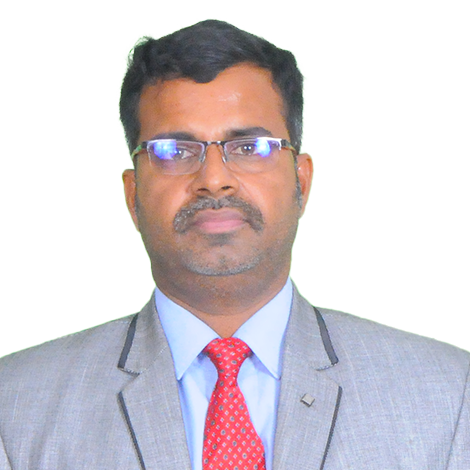
Dr.T.Baranidharan
Professor & Head
Embedded Electronics
AICTE Faculty ID:1-461790295 | College ID: CTECF018
LinkedIn Profile IRINS Profile| ProfileMail-ID: [email protected]
Dr. T. Baranidharan has more than 18 years of teaching experience. He graduated with a B.E. degree in Electronics and Instrumentation Engineering from shanmugha college of Engineering, Bharathidasan University, Tiruchirappalli in the year 2003. He completed his post-graduation in Applied Electronics from Thanthai Periyar Government Institute of Technology at Anna University in 2005. He received his Ph.D. from Anna University, Chennai in 2013. He published 13 papers in reputed international journals. He presented several papers in various International & National Conferences. He is a recognized research supervisor at Anna University Chennai. Currently, 01 candidates have completed their Ph.D. under his guidance and 4 Ph.D. research scholars are pursuing currently. He organized several seminars, workshops, and conferences.
Our Intellectuals
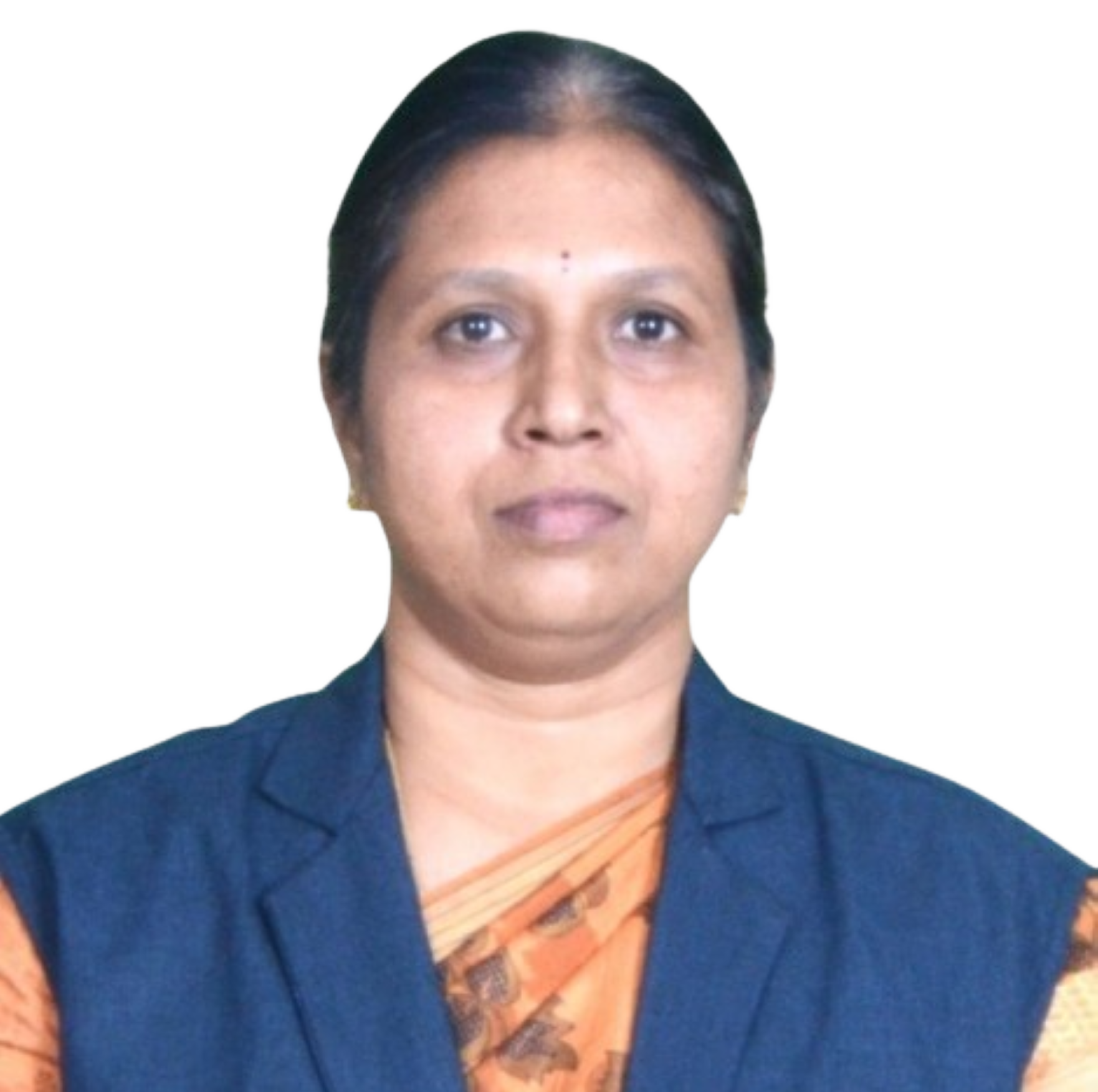
Dr. S.Gomathi
Associate Professor
VLSI Design & Technology
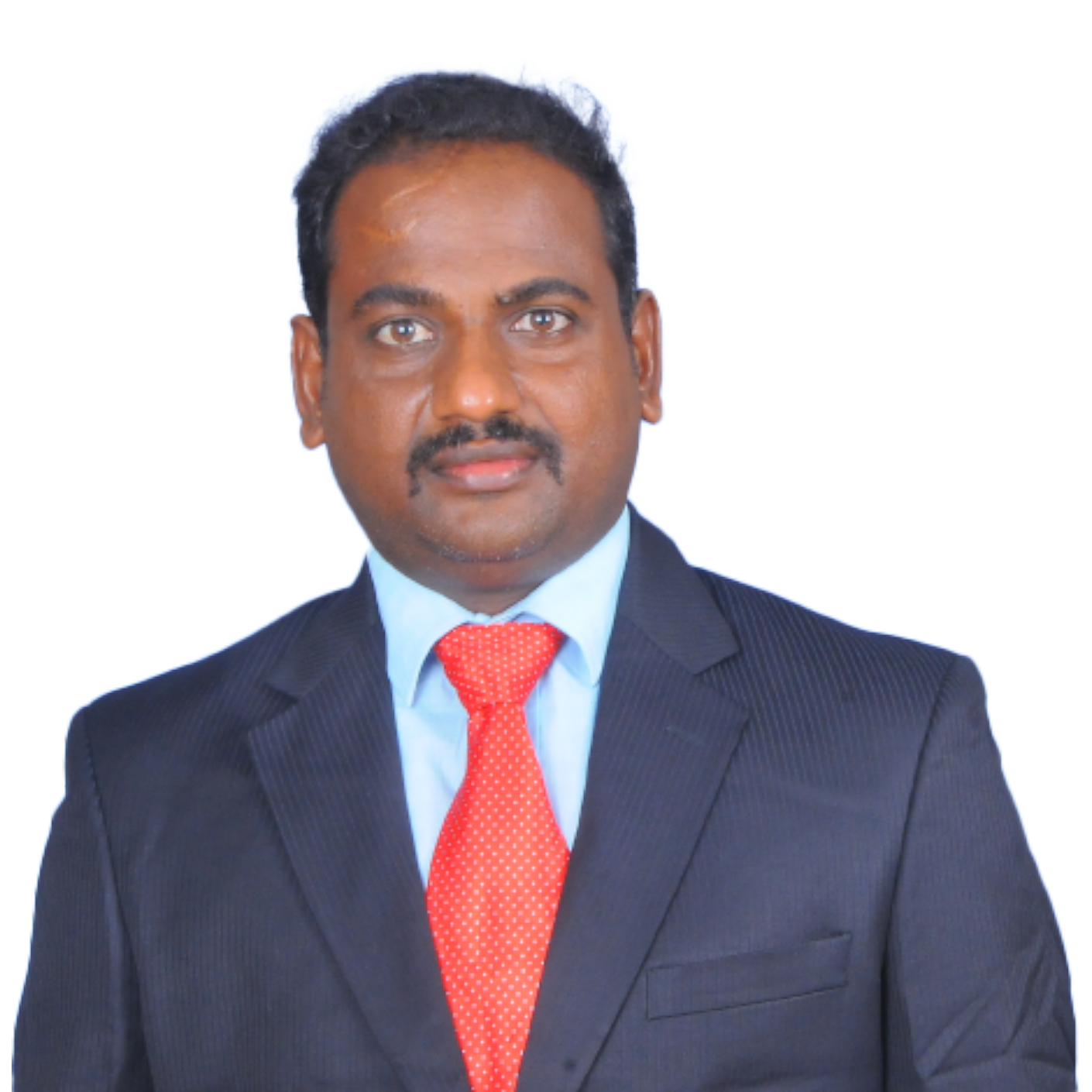
Dr. M.Sasikumar
Associate Professor
Energy Harvesting from vibration
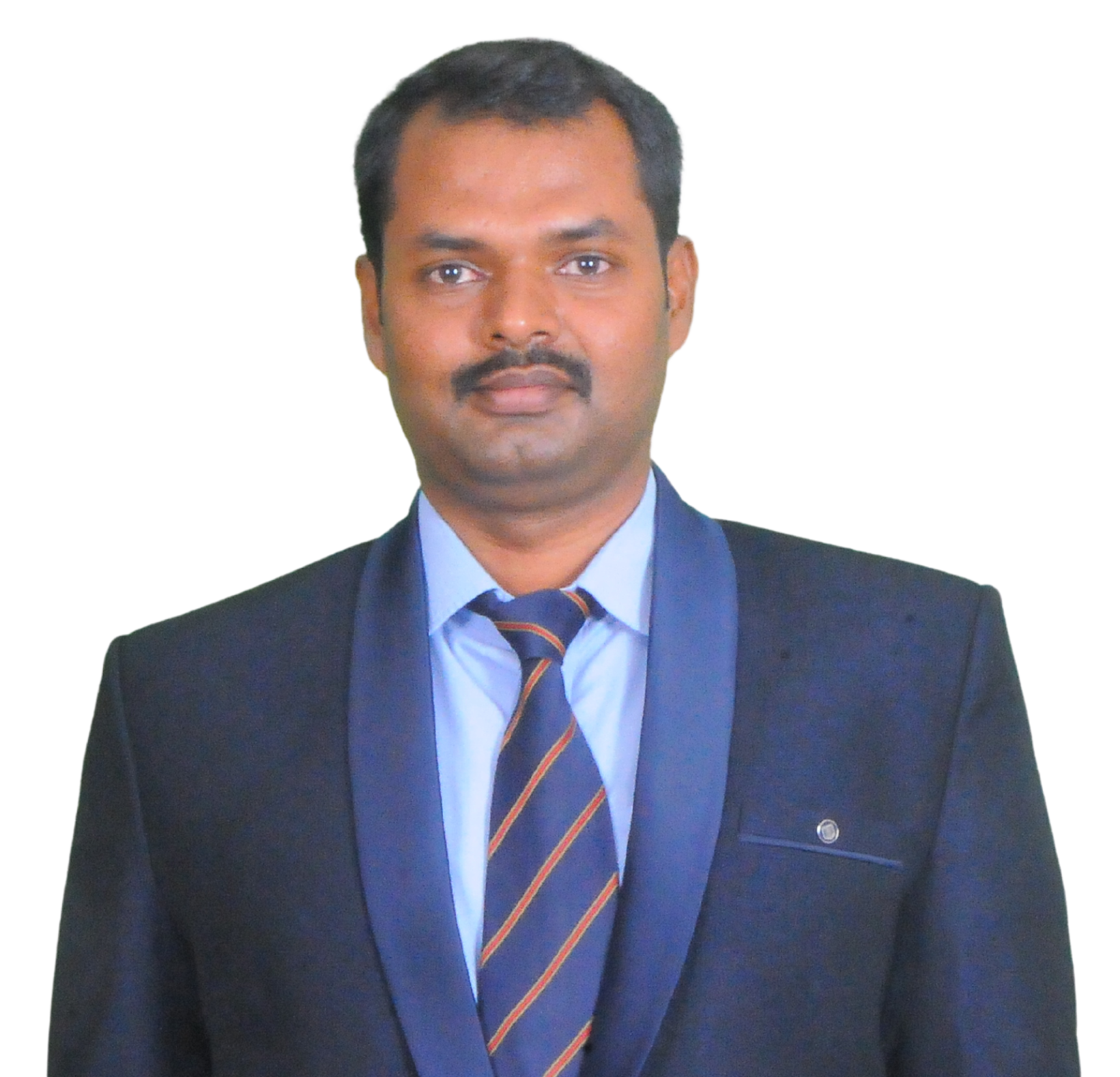
Dr.S.Pradeep
Assistant Professor
VLSI Design & Medical Image Processing
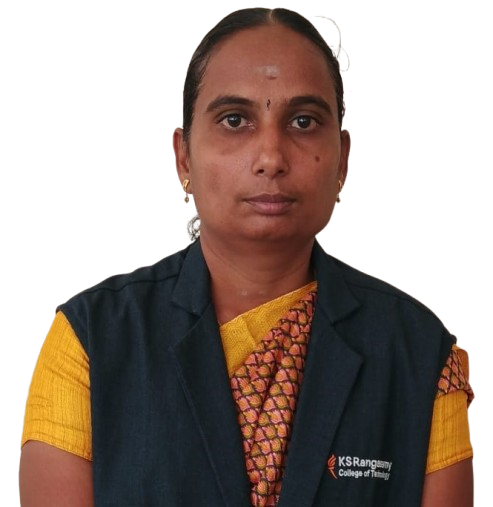
Dr.S.Arulpriya
Assistant Professor
Low Power VLSI
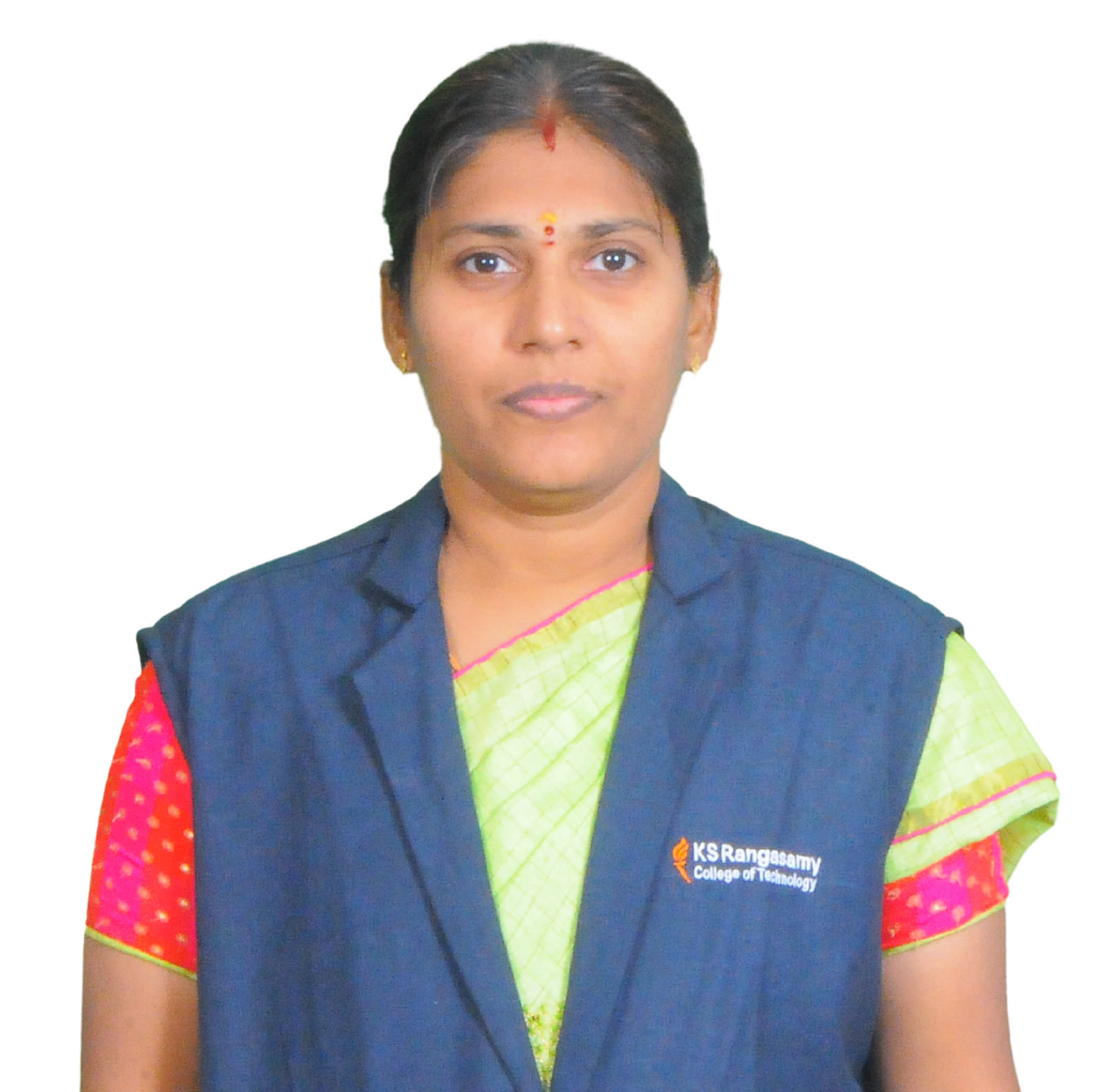
Saranya C
Assistant Professor
VLSI Design & Technology (Low power VLSI)
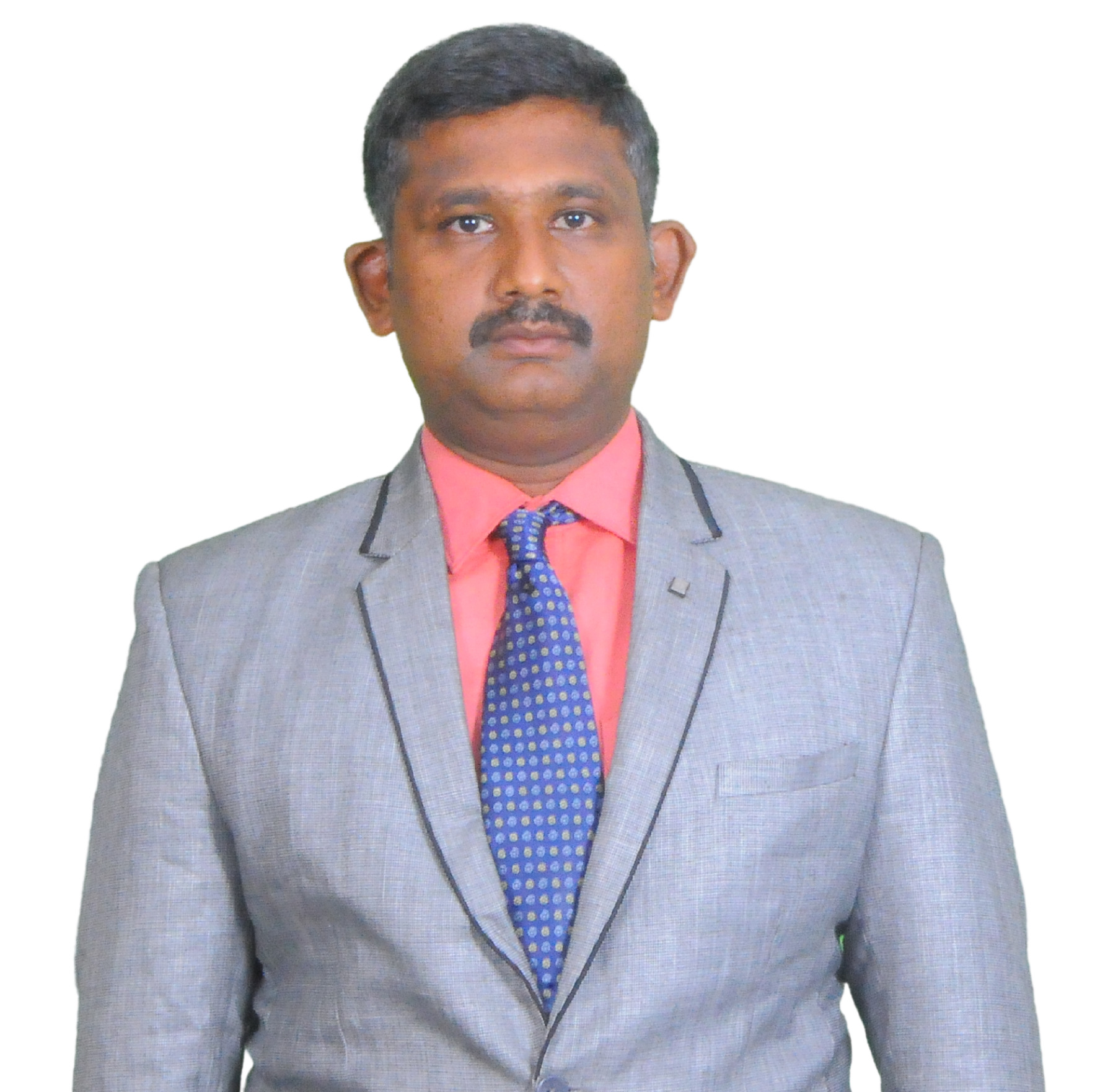
Mr. Rajavenkatesan T
Assistant Professor
VLSI Design & Technology (VLSI Testing)
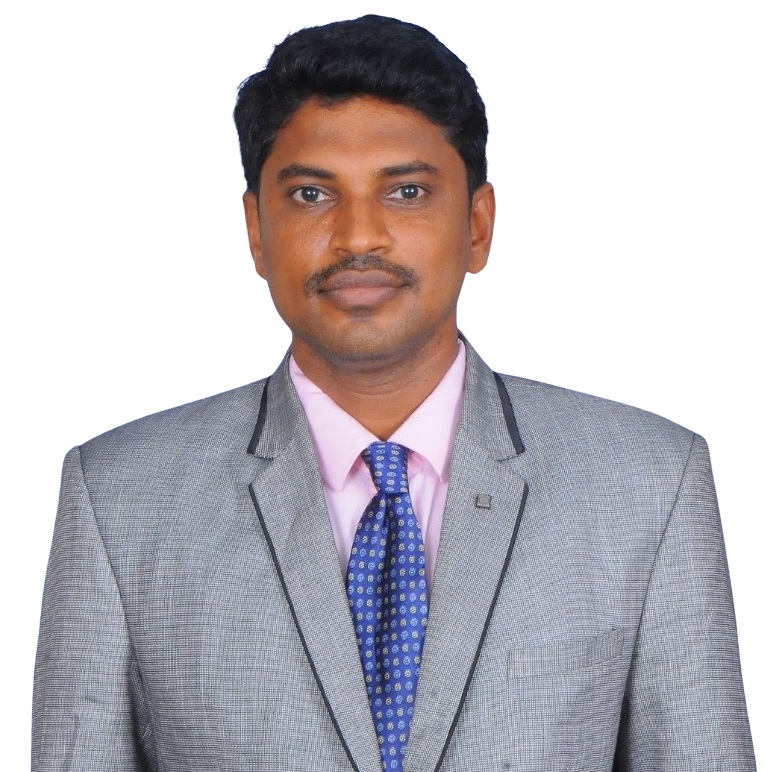
Poornakumar D
Assistant Professor
VLSI Design & Technology (Low Power VLSI)
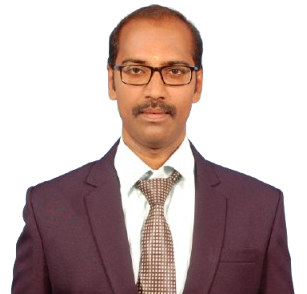
Sureshkumar A
Assistant Professor
VLSI Design & Technology
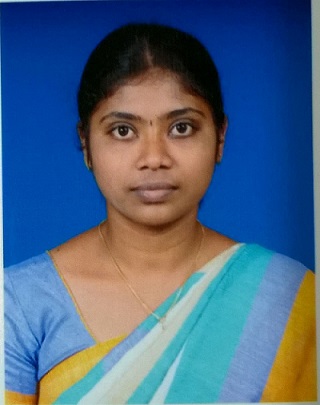
Ms. P. Kiruthika
Assistant Professor
Low Power VLSI
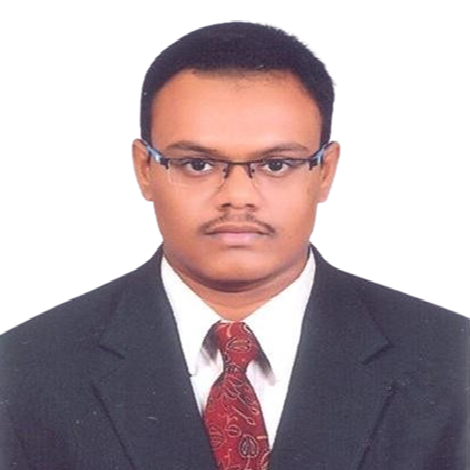
Mr. S. Baskar
Assistant Professor
VLSI Design and Testing
Our Non-Teaching Staffs
Ms. Tharani G
Programmer
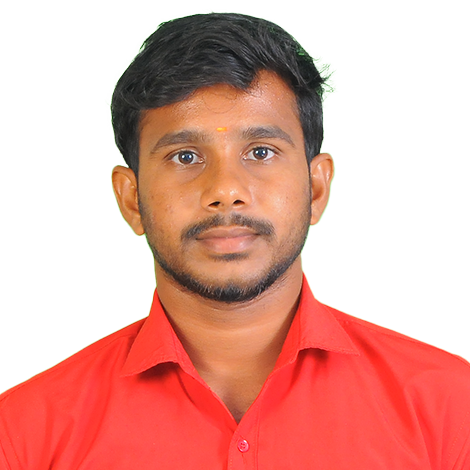
Mr. B. Dineshbabu
Programmer
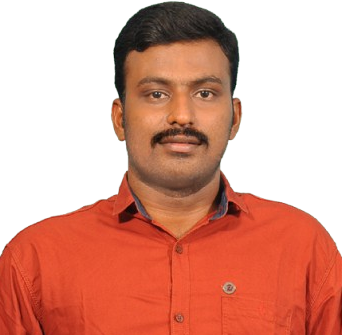
Mr. Gokul S
Lab Assistant
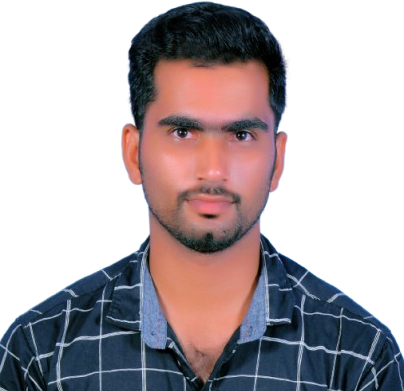
Mr. Elango A
Technical Assistant
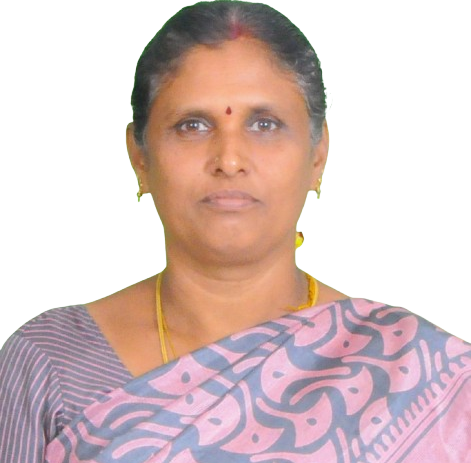
Mr. S. Chitra
Office Assistant
Curriculum & Syllabus
Under-Graduate - Electronics Engineering (VLSI Design and Technology)
| Batch | Syllabi |
|---|---|
| 2026-27 |
| Batch | Syllabi |
|---|---|
| 2025-26 | |
| 2024-25 | |
| 2023-24 |
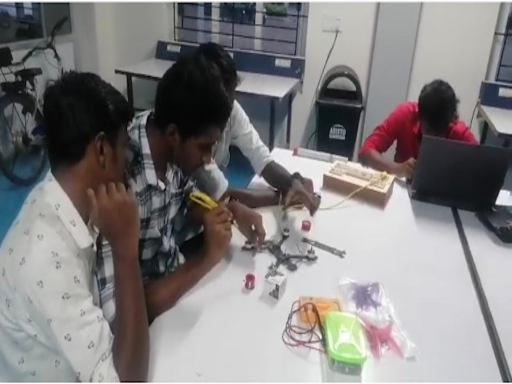
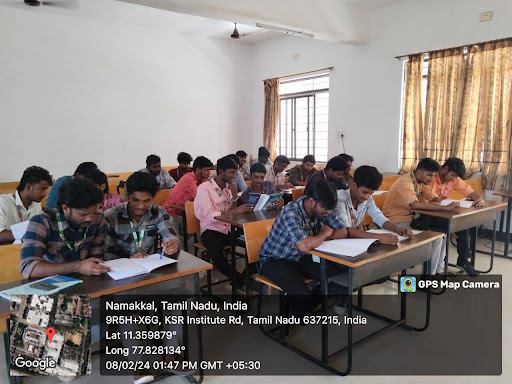
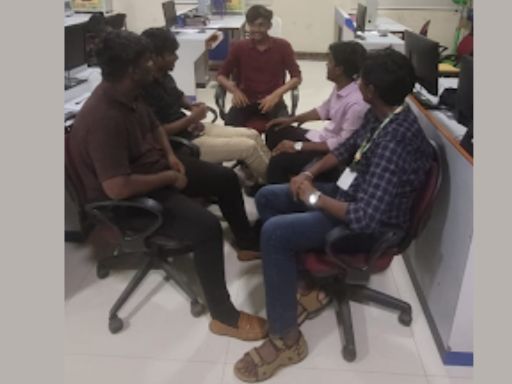
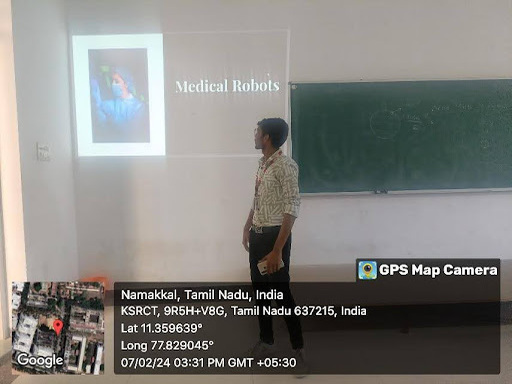
| S.No | Name of the Faculty | Name of the Course & Module | Objective | Innovation in Teaching and Learning(Experiential Learning/Participative Learning) | Web page content Link-Proof |
|---|---|---|---|---|---|
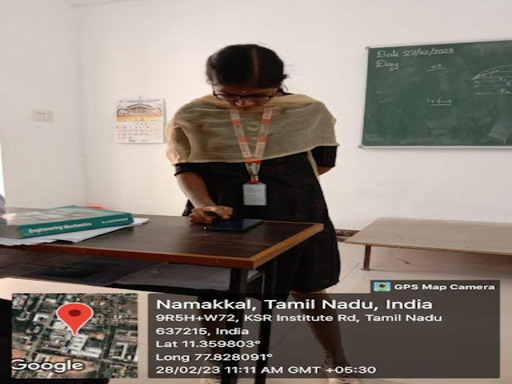
| 1. | Dr.S.Pradeep | 60 EV 302 - Circuit Analysis | To apply and verify Thevenin's and Norton's theorems by simplifying complex circuits and comparing the calculated values of voltage and current with those obtained through simulation | Simulation | Click Here |
| 2. | Mr.T.Rajavenkatesan | 60 EV 301 - Electronic Circuits | The objective of using EdPuzzle for a "voltage series feedback amplifier" topic is to actively engage students with a video lesson by embedding interactive questions, ensuring they comprehend key concepts. | Ed-Puzzle | Click Here |
| 3. | Mrs.C.Saranya | 60 EV 502 - VLSI and Chip Design | The objective of a seminar on "RTL to GDS" is to provide a comprehensive understanding of the entire digital chip design flow, from the initial Register-Transfer Level (RTL) design to the final GDSII layout file used for fabrication. | Seminar | Click Here |
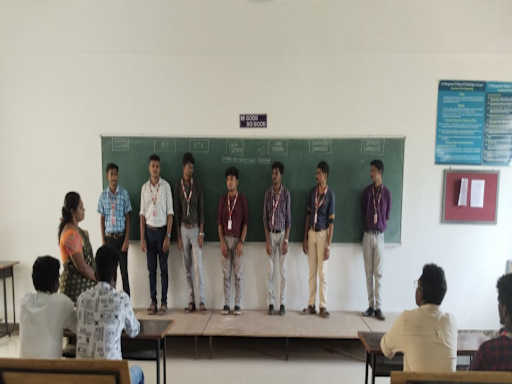
| 4. | Mr.D.Poorna Kumar | 60 EV 303 - Digital System Design | To demonstrate the fundamental principles of logic gates (AND, OR, NOT) through a role-play, where each participant embodies a gate and collectively processes inputs to produce a final output, illustrating how these basic components form the building blocks of digital circuits. | Role Play | Click Here |
Video Lectures
Circuit Analysis
VLSI and Chip Design
Digital System Design
Digital Signal Processing
Computer Architecture and Microcontrollers
Electromagnetic Waves
Signals and System
Testing of VLSI
Electronic Devices
| S.No. | Date | Name of Course | Industry Association |
|---|---|---|---|
| 1. | 02.07.2025 | 60 EV E13 & ASIC Synthesis and STA | VLSI Mentors, Bengaluru |
| 2. | 05.01.2026 | 60 EC L07 & Introduction To FPGA-Based Digital System Desgin | HCL Guvi |
| 3. | 05.01.2026 | 60 EC L08 & Introduction To RISC-V Architecture And FPGA Design | HCL Guvi |
| Duration of Training/Internship | Credits | |||||
|---|---|---|---|---|---|---|
| 2 Weeks | 1 | |||||
| 3 Weeks | 2 | |||||
| 8 Weeks& above | 3 | |||||
| S.No. | Academic Year | Name of the Industry | Duration | No.of Students | ||
|---|---|---|---|---|---|---|
| 1 | 2025-26 | Mspand Technologies Pvt. Ltd., Theni | 23.06.2025 - 11.07.2025 | 15 | View | |
| 2 | 2025-26 | VLSI Mentors, Bangalore | 20.06.2025 - 25.07.2025 | 30 | View | |
| 3 | 2025-26 | Enthu Technology Solutions India Pvt. Ltd., Coimbatore | 15.12.2025 - 27.12.2025 | 7 | View | |
| 4 | 2025-26 | Finest Coder, Coimbatore | 22.12.2025 - 09.01.2026 | 13 | View | |
| 5 | 2025-26 | Mspand Technologies Pvt. Ltd., Theni | 21.12.2025 - 04.01.2026 | 16 | View | |
| 6 | 2025-26 | VLSI Mentors, Bangalore |
20.12.2025 - 04.01.2026 05.01.2026 - 13.01.2026 |
33 | View | |
| S.No. | Academic Year | Name of the Industry | Duration | No.of Students | ||
|---|---|---|---|---|---|---|
| 1. | 2024-25 | Mspand Technologies Pvt.Ltd, Theni | 30.12.2024-11.01.2025 | 15 | View | |
| 2. | 2024-25 | Indira Gandhi Centre for Atomic Research [IGCAR],Kalpakkam | 20.05.2025-30.06.2025 | 7 | View | |
| S.No. | Academic Year | Name of the Industry | Duration | No.of Students | |
|---|---|---|---|---|---|
| 1. | 2025-26 | Mspand Technologies Pvt.Ltd, Theni | 23.06.2025-11.07.2025 | 15 | View |
| 2. | 2025-26 | VLSI Mentors | 20.06.2025-25.07.2025 | 30 | View |
Companies with us
| S.No. | Acedamic Year | No. of Students | Examination Attended |
|---|---|---|---|
| 1. | 2025-26 | 05 | GATE-05 |
Academic Laboratory
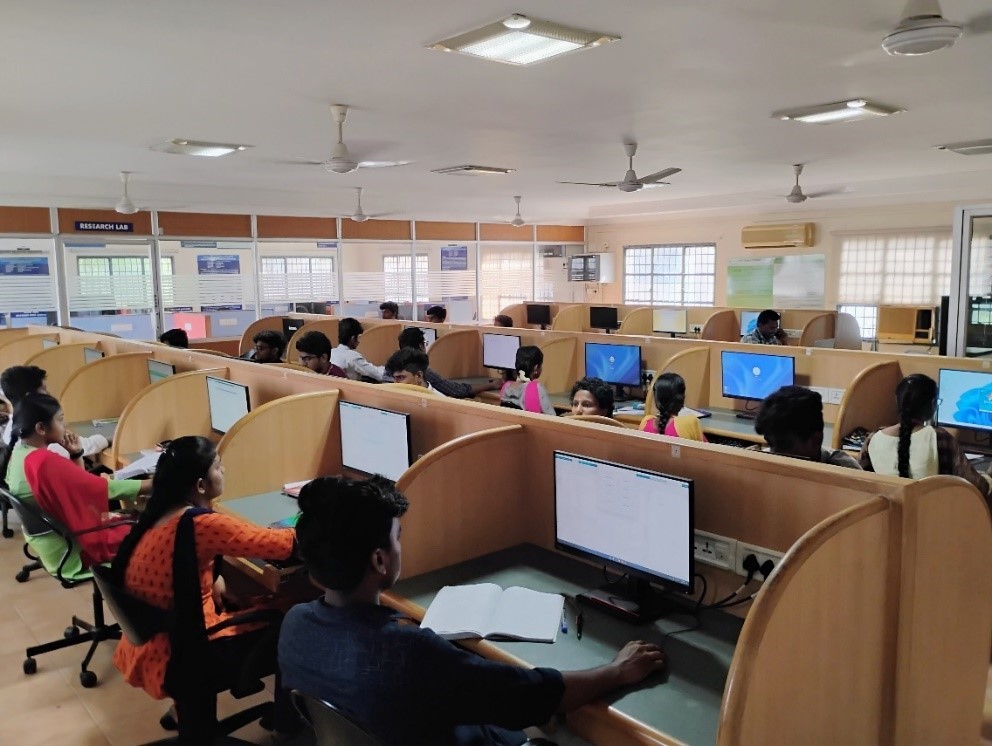
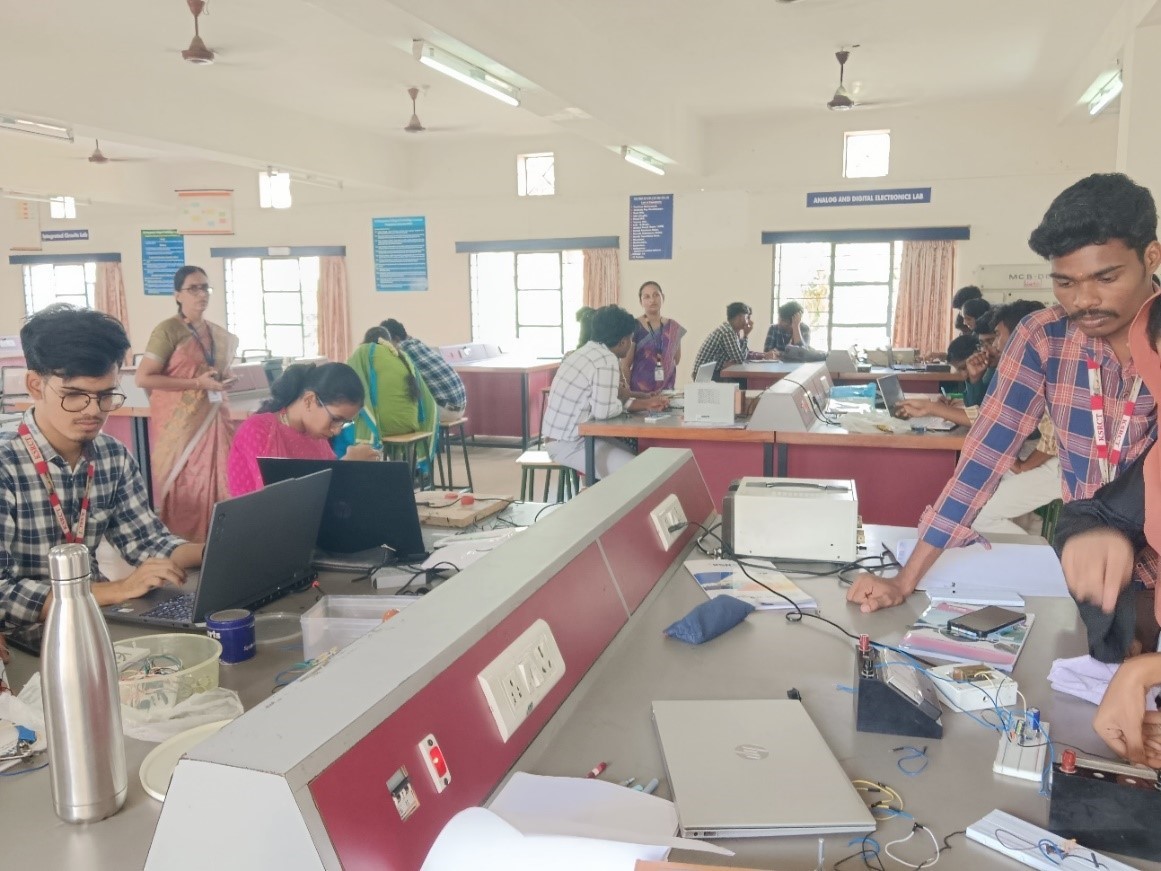
Lab In charge - Faculty & staff: Mr.D.Poornakumar & Mr.S.Gokul
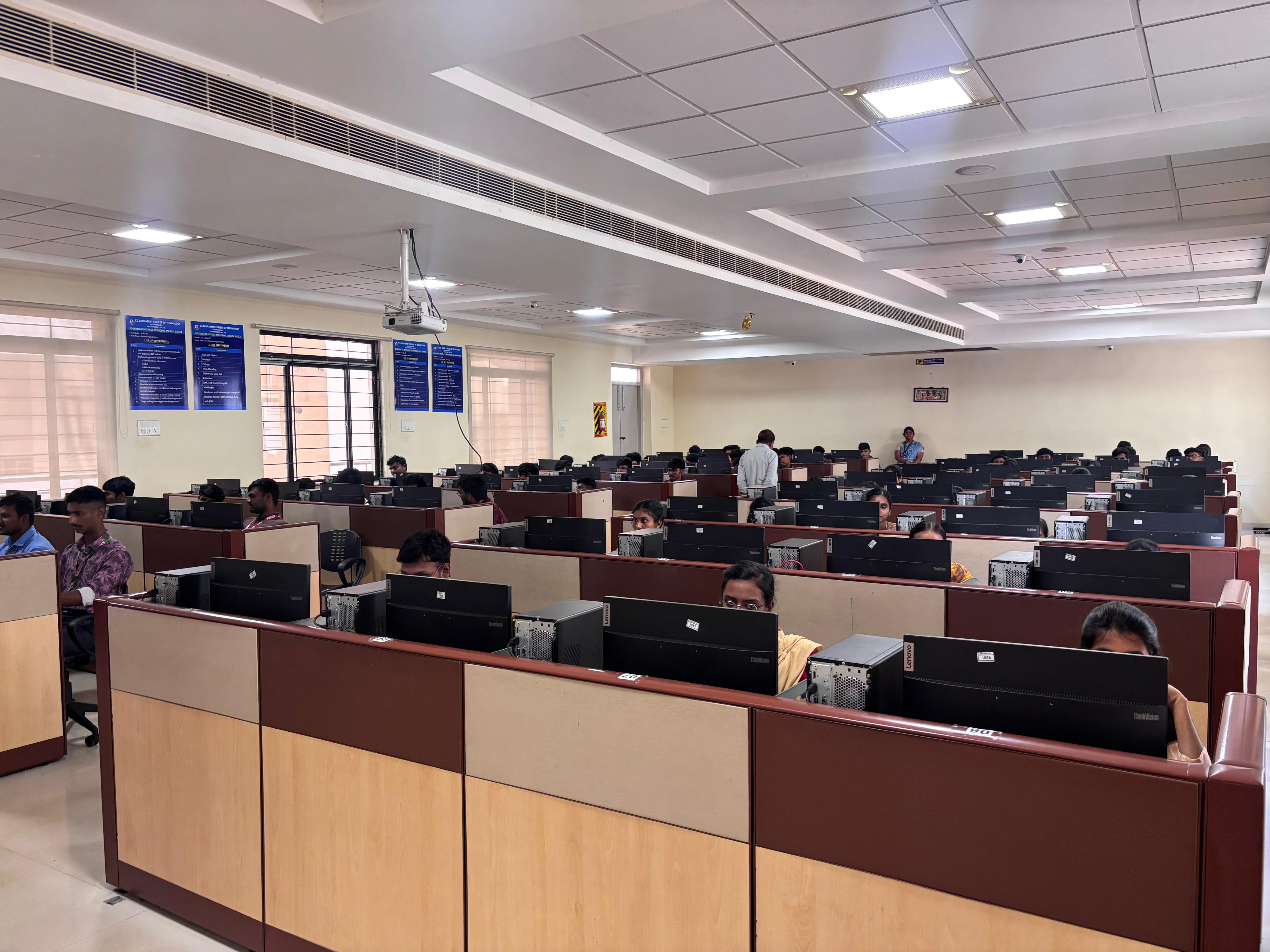
Lab In charge - Faculty & staff: Dr.S.Pradeep & Mr.S.Gokul
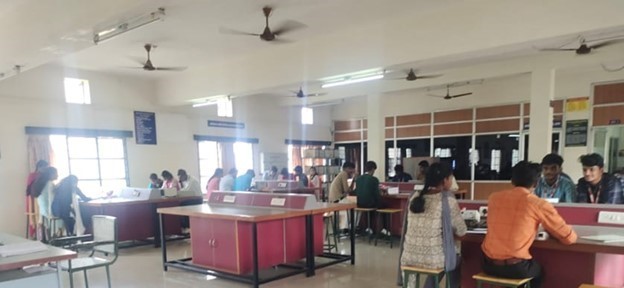
Lab In charge - Faculty & staff: Mrs.C.Saranya & Mr.A.Elango
Lab In charge - Faculty & staff: Dr.S.Gomathi & Mrs.G.Tharani
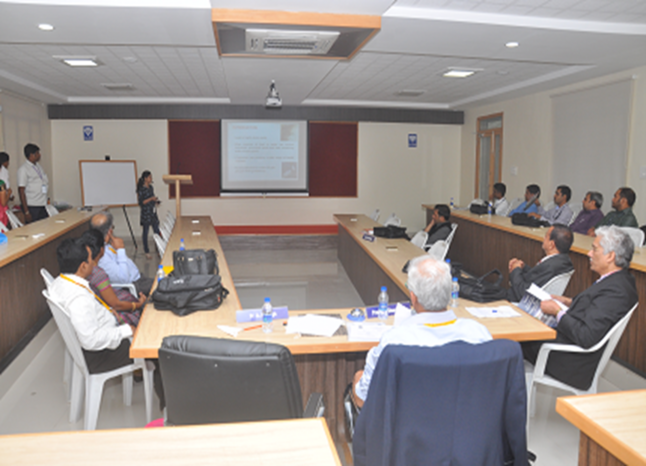
Seminar Hall
Class Rooms
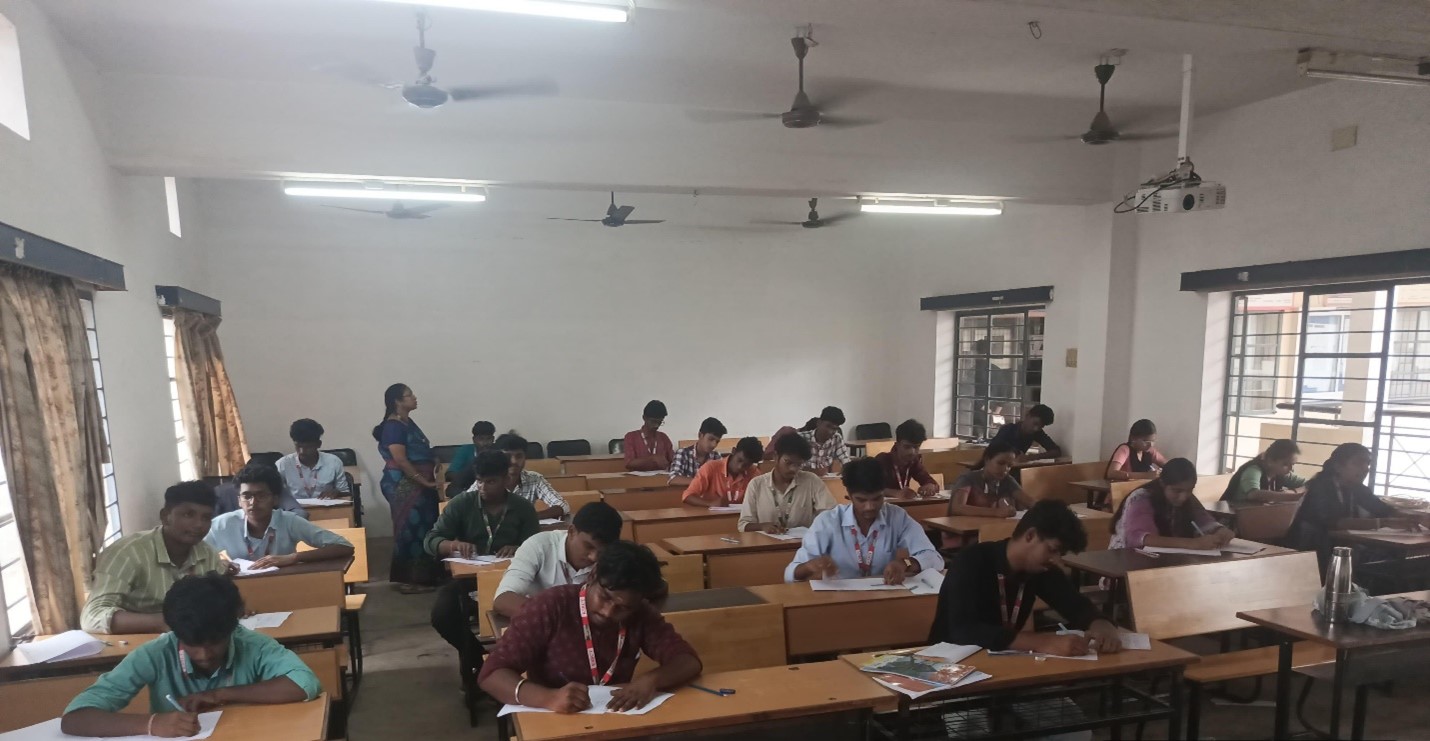
No of classes : 4
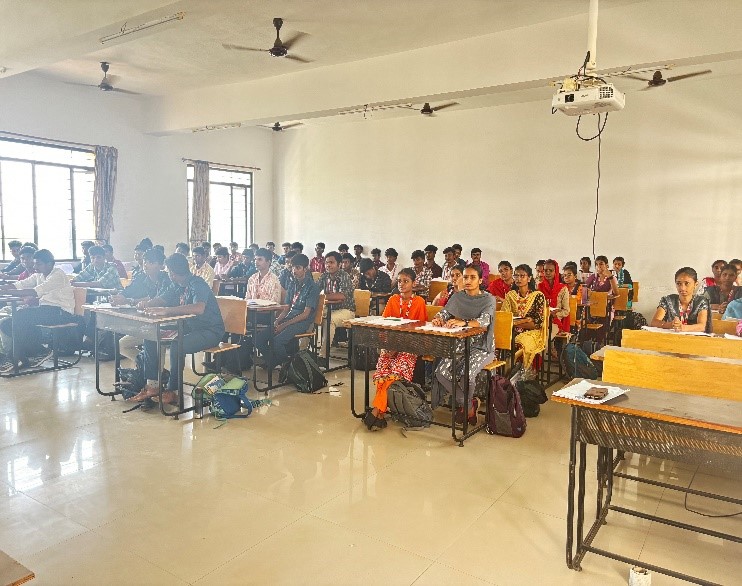
No of classes : 2
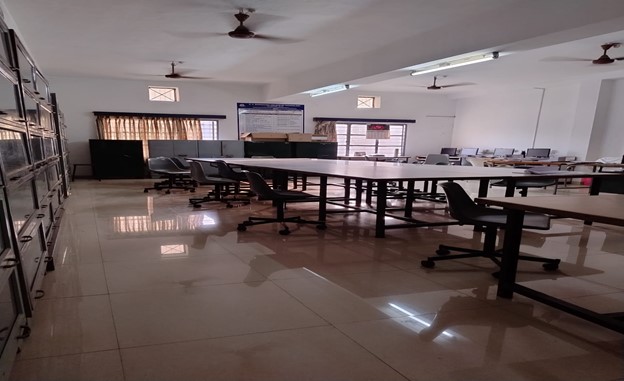
Department Library
| S.No. | Particulars | Count |
|---|---|---|
| 1. | Ph.D. Doctorates | 4 |
| 2. | Ph.D. Supervisors | 1 |
| 3. | Ph.D. Pursuing | 3 |
| 8. | Ph.D. Completed | - |
| S.No. | Academic Year | Book Chapters | Journals | Conference | ||
|---|---|---|---|---|---|---|
| National | International | National | International | |||
| 1. | 2025-26 | 3 | - | 8 | - | 7 |
| 2. | 2024-25 | 4 | 2 | 5 | - | 11 |
| S.No. | Academic Year | Patents | Copyrights | |||
|---|---|---|---|---|---|---|
| Filed | Published | Granted | Filed | Granted | ||
| 1. | 2025-26 | 9 | 8 | - | 1 | - |
| 1. | 2024-25 | 13 | 12 | 2 | - | - |
| S.No. | Academic Year | Name of Faculty (Chief Consultant) | Client Organization | Title of the Project | Duration | Amount received(in Rupees) |
|---|---|---|---|---|---|---|
| 1. | 2024-25 | Dr.P.Kumar Dr.S.Gomathi, Mr.T.Rajavenkatesan, Dr.Lalithamani, Ms.C.Saranya, Mr.D.Poornakumar, Mr.S.Pradeep, Dr.P.Suthanthirakumar | Arunai Creations | Sewing Machine board Automation and error correction service | 18.10.2024 to 20.10.2025 | 50,000 |
| 2. | 2024-25 | Dr.S.Gomathi Mr.T.Rajavenkatesan, Dr.N.Lalithamani, Mr.C.Saranya, Mr.D.Poornakumar, Mr.S.Pradeep | VSAN Electricals And Sensors | PCB Design For Temperture Monitoring System For Enhanced Prodect Desisions | 15.11.2024 to 16.05.2025 | 1, 20,000 |
| S.No. | Centre of Excellence |
|---|---|
| 1. | Centre of Excellence for EDA Tools |
MOUs
| S. No. | Date of Signing | Name of the Company | Validity | Outcomes |
|---|---|---|---|---|
| ACADEMIC YEAR (2024 – 2025) | ||||
| 1 | 01.11.2024 | VLSI Mentors, Bangalore | 3 Years | Internship offered to 12 students of batch 2023-27. |
| 2 | 18.10.2024 | Mspand Technologies Pvt. Ltd, Theni | 3 Years |
|

| S.No. | Academic Year | Number of Events | |
|---|---|---|---|
| 1. | 2025-26 | 2 | |
| 2. | 2024-25 | 12 |
 S2S CLUB (Student 2 Skill)
- Faculty Coordinator: Mr.D.Poornakumar
- MEMBERS:
1. S.B.Tamilraja
2. S.Dharanisri
3. M.Sathyajeeva
4. M.Suriya Prasanth
5. D.Tharun
6. S.Chindu Sri
- Activities
| S.No. | Academic Year | Number of Events | |
|---|---|---|---|
| 1. | 2025-26 | 1 | |
| 2. | 2024-25 | 2 |
 CSSR CLUB (Centre For Silicon System Research )
- Faculty Coordinator: C.Saranya
- MEMBERS:
1. M.Deepasri
2. S.Y.Omganesh
3. R.Vinoth
4. G.S.Harshaprabha
5. P.V.Sudharson
6. S.Kalaimagal
- Activities
| S.No. | Year | Number of Events | |
|---|---|---|---|
| 1. | 2025-26 | 1 | View |
| 2. | 2024-25 | 2 | View |
Industrial Visit
| S.No. | Date | Name of industry | No.of Students Visited |
|---|---|---|---|
| 1. | 20.09.2024 | ISRO, Bengaluru | 50(2023-27 Batch) |
| 2. | 20.09.2024 | Tessolve Semiconductor Pvt.Ltd, Bengaluru | 50(2023-27 Batch) |